European Beech Tree
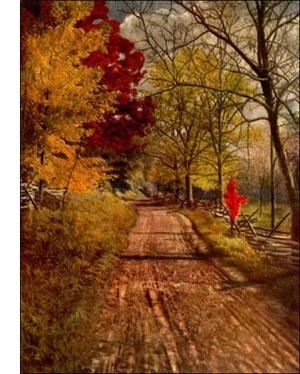 The European Beech (F. sylvatica, Linn.) is one of the most important timber trees of Europe, and the parent of the purple and weeping beeches and other ornamental horticultural forms in cultivation in European and American parks and private grounds. It grows to noble size and form in America, distinguished chiefly by the darker colour of its bark from the native species. At home from middle Europe south and east to the Caucasus, the beech is much used as a dooryard tree; it grows famously in England, their beeches being the pride of many English estates.
Pure forests of beech are often seen in Germany and Denmark. The lumber is hard and heavy, one of the most important hard woods of the Continent. The multitude of its uses prevents a complete list. Beech bark with hieroglyphics cut in it bore messages between tribes, friendly and belligerent, in the earliest times. Beechen boards preserved the first records. These were the primitive books of northern Europe. From beech to buch is not a long etymological step in the Teutonic languages. Book is a lineal descendant of the Anglo-Saxon word bece, the name of this tree. There are those who derive the words beaker through Becher, a drinking cup, from the same old tree root. Justification is found in the fact that bowls and other household utensils were made of beech wood because they could be depended upon not to leak.
Beech nuts furnished, in ancient times, a nutritious article of human food, and an oil used for lamps, quite as sweet and good for cooking and table use as olive oil. Fagus (Gr. phagein, to eat) means "good to eat." Beech leaves furnished forage for cattle, and were dried and used to fill mattresses. Evelyn vows he never slept so sweetly as on a bed of beech leaves. The idea is certainly an attractive one, and worth carrying out.