Oregon Ash Tree
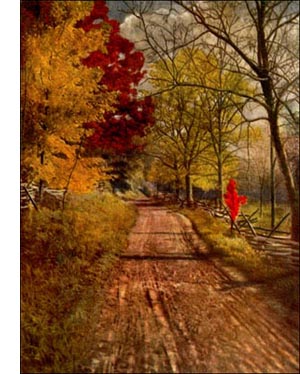 Oregon Ash (Fraxinus Oregona, Nutt.)-A broad-crowned, shapely tree, 75 to 80 feet high, with stout trunk and erect, stout branches. Bark reddish grey or brown, deeply fissured, with ridges interlacing and shedding papery scales.
 Wood brown, coarse, hard, light, porous. Buds small, acute, with rusty or pale pubescence. Leaves compound, 5 to 14 inches long, of 5 to 7 pinnate leaflets, firm, thick, pale green above, lighter and pubescent beneath; terminal leaflet on stalk 1 inch long, lateral ones on shorter stalks or sessile; leaflets oblong or oval, obscurely serrate, abruptly pointed; autumn colour yellow or russet brown.
Flowers, April with leaves, dioecious, in smooth, dense panicles. Fruit in crowded clusters, each obovate, 1 1/2 to 2 inches long; body fusiform, about length of wing. Preferred habitat, rich, moist soil, near streams. Distribution, Pacific coast from Puget Sound to Bay of San Francisco, and back to foothills of Sierras. Uses: A valuable shade tree. Wood used for furniture, interior finishing of houses, frames of vehicles, cooperage and fuel.
This tree has the ash habit of unfolding its leaves late in the spring, and "making up for it," as Oliver Goldsmith would say, by losing them early in the fall. From the standpoint of the landscape gardener, this is a double fault. But the cleanly habit of the tree, its graceful head during the summer season, and its valuable lumber, which is counted equal to white ash, commend it to planters. It has been successfully introduced into European gardens, and is hardy in the Arnold Arboretum in Boston.
It is interesting to note that an old tradition recorded by Pliny has arisen, as if spontaneously, among the Indians of the Pacific coast. Nuttall wrote after his visit to this region about the time of the exodus to California in 1849: "An opinion prevails in Oregon among the hunters and Indians that poisonous serpents are unknown in the same tract of country where this Ash grows, and stories are related of a stick of it causing the Rattle Snake to retire with every mark of fear and trepidation, and that it would sooner go into the fire than creep over it." We certainly suspect that the hunters above mentioned, or perhaps earlier white men visiting the region, imported the OldWorld tradition.