Kentucky Coffee Tree
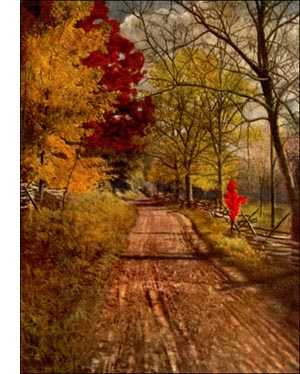 Kentucky Coffee Tree (Gymnocladus dioicus, K. Koch.)A narrow, round-topped tree with tall trunk, 75 to 100 feet high, with stout, thornless twigs. Bark grey, deeply furrowed; ridges scaly. Wood light brown, soft, heavy, coarse, strong, durable. Buds scaly, half hidden in the twig.
 Leaves twice pinnate, 1 to 3 feet long, 1 to 2 feet broad, of 40 to 60 oval leaflets, dark green, smooth; petioles stout, long, enlarged at base; autumn colour, clear yellow. Flowers, June, dioecious, regular, greenish white, in racemes staminate, 3 to 4 inches long; pistillate 10 to 12 inches long, somewhat hairy.
Fruit a thick-walled, purple pod, 6 to to inches long, 2 inches wide, dark red, short stalked; seeds several, bony, globular, 1/2 inch in diameter, in sweetish, sticky pulp, bitter at maturity. Preferred habitat, rich, moist soil.
Distribution, New York to Minnesota and Nebraska; south to Pennsylvania, Tennessee, Arkansas and Indian Territory. Uses: A good street and shade tree. Wood used for fencing, in construction and rarely in cabinet work.
The Kentucky coffee tree is one of the rarest of American forest trees. It ranges widely, but is nowhere common. It is remarkable for its dead-looking frame, which holds aloft its stiff, bare twigs in spring after other trees are clothed with new leaves. But at length the buds open and the leaves appear, twice compound, and often 3 feet long.
The basal leaflets are bronze green while the tips are still pink from having just unfolded. This stately tree, its trunk topped with a close pyramid of these wonderful leaves, is a sight to remember. Often the trunk is free from limbs for 5o feet or more.
The flowers of the coffee tree are greenish purple and inconspicuous, borne in erect racemes or loose panicles on separate trees. The pistillate trees are burdened with their clumsy pods in the autumn. They are so heavy as to inflict a painful bruise if they strike a person in falling. The pioneers of Kentucky made out of the seeds a beverage to take the place of coffee. We may well wonder how they ever ground these adamantine beans, and how they ever drank a beverage as bitter as it must have been.