Pear Haw Tree
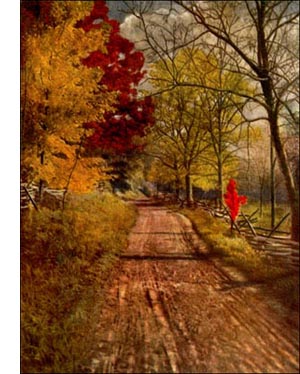 Pear Haw (C. tomentosa, Linn.)-A tree 15 to 20 feet high, forming a flat, wide head. Thorns scattered, slim, straight, 1 to 1 1/2 inches long; or wanting. Bark dark brown, furrowed; branches grey, twigs hoary tomentose, becoming dark orange colour.
 Leaves ovate, acute at apex and base, 2 to 5 inches long, shallowly lobed and coarsely serrate, thin, firm, grey-green, persistently tomentose below; petioles stout, winged; veins prominent; autumn colour orange and scarlet. Flowers, March to June, 1/2 inch across, in broad, downy corymbs, ill-scented; stamens 20, anthers rose or yellow.
Fruits, October, in erect, many-fruited clusters, persisting all winter, dull orange red, translucent, pear shaped, 1/2 inch in diameter; flesh thick, sweet, juicy; nutlets 2 to 3, ridged on back; grooved on ventral face. Preferred habitat, low, rich soil.
Distribution, Troy, New York, to eastern Pennsylvania, central Tennessee and northern Georgia; west to southern Minnesota and south to southeastern Kansas. Uses: Valuable ornamental for its brilliant autumnal colours and persistent fruits.
This is one of the most widely distributed of our native haws. It is cultivated to some extent, but not as it deserves. With the development of horticulture, it will get recognition from nurserymen and from the tree-planting fraternity in general.