Basket Oak or Cow Oak Tree
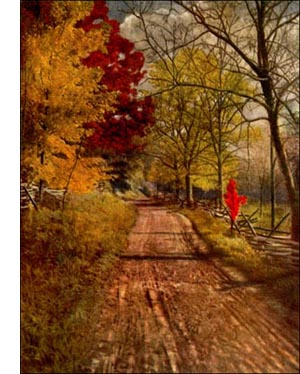 Basket Oak, Cow Oak (Quercus Michauxii, Nutt.)-A large handsome tree, 60 to 100 feet high, 3 to 7 feet in diameter at base, with stout ascending branches forming a round, dense head. Bark scaly, silvery or ashy grey, with reddish tinge. Wood hard, strong, tough, durable, close grained with large medullary rays and spring wood ducts, separating it into annual layers. Similar to other white-oak lumber. Buds pointed, 4 inch long, scaly, with red hairs. Leaves 6 to 8 inches long, broadly obovate, regularly undulate on margins, sinuses equal to the lobes in size and shape, shining, dark green above, pubescent, often silvery white below. Crimson in autumn. Flowers with halfgrown leaves, March to May. Acorns annual, solitary or paired, on short stem 1 to 1 1/2 inches long, oval, pointed, bright brown, in shallow, scaly cup, which is flat bottomed and lined with down; kernels sweetest of Eastern acorns, eaten by children, negroes and domestic animals. Preferred habitat, swamps and bottom lands liable to inundation. Distribution, northern Delaware to Florida; west to Illinois, Missouri and Texas. Uses: Important timber tree, lumber ranking with white oak. A handsome ornamental tree, worthy of cultivation in wet ground.
The common names of trees are interesting, always, and often confusing. It is sometimes difficult to trace their origin and to explain their meaning. This beautiful tree, the most valuable annual-fruited oak of the Southeastern States, differs from others of the group in that its wood separates like that of the black ash into annual layers. The toughness and strength of these sheets adapt them to basket making-the most durable bushel baskets, china crates, etc., are made of strips of this oak. It is easy to see why the name "basket oak" came into use. But who shall explain the name "cow oak"? Perhaps it is enough that the acorns are sweet and cows eat them. Perhaps if I lived where the cow oak does I might give an answer that is more than simply a guess. The basket oak is one of the best mast trees in the country. The trees are very prolific, and each year hogs are fattened upon the acorns wherever the trees are common in the woods.
There would be an appearance of heaviness, perhaps, in this handsome oak, if it were not that the lustrous leaves are lined with silver that seems to catch and hold the light, reflecting it to the inner parts of the treetop. When the wind blows the contrast of light and shade is strikingly beautiful. In many particulars the basket oak resembles the swamp white oak, and some authorities hold that Quercus Michauxii is the Southern form of Quercus platanoides, for their ranges meet and do not overlap.