Chestnut Oak or Tan Bark Oak Tree
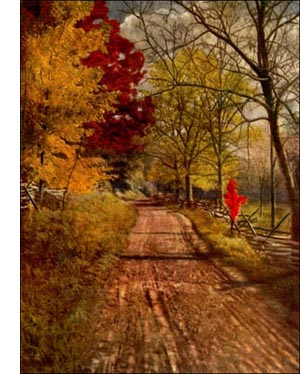 Chestnut Oak, Tan-bark Oak (Quercus Prinus, Linn.)--A forest tree with broad, irregular head on a short trunk, 50 to 100 feet high. Bark dark brown, deeply furrowed, rich in tannic acid; twigs smooth. Wood dark, reddish brown, close grained, with conspicuous medullary rays, tough, heavy, hard, strong, durable in contact with soil. Buds pointed, long, smooth, greyish red. Leaves alternate, 5 to 9 inches long, obovate, with coarse teeth rounded at the tops, thick, yellowish green above, paler, usually pubescent beneath; autumn colour yellow and brown. Flowers in May, solitary or paired; staminate yellow; pistillate on short spurs; stigmas short, dark red. Acorns usually solitary, peduncled, annual, 1 to 1 1/2 inches long, shining, brown; cup thin, downy lined, covered with small tubercular scales. Kernel sweet, edible. Preferred habitat, rocky upland soil, like the sides of ravines and stream borders. Distribution, southern Maine to western New York; south to Maryland, Kentucky and Tennessee; along mountains into Georgia and Alabama. Uses: A handsome tree for parks; grows well in dry ground; lumber used for railroad ties, fencing and fuel; bark, in tanning leather.
The chestnut oak is the type of a group of white oaks whose leaves are like those of a chestnut tree. This group has sweeter nuts than any other oaks. All but this species have pale bark. Quercus Prinus has bark so dark in colour and so deeply furrowed that it has often been mistaken for one of the black oak group, although its wavy leaf margins and annual fruit deny the insinuation most emphatically.
It is a vigorous tree, and grows very rapidly in dry soil. Its acorns in their fuzzy cups often sprout before they fall to the ground! The tree is handsome, and worthy a place in any plantation. It finally makes the best of fuel.
The name, "rock chestnut oak," refers to the hardness of its wood. "Tan-bark oak" calls attention to the tannin which makes this tree the prey of "peelers" throughout its range. Only the black oak yields as good bark to the tanner.