Cork Oak Tree
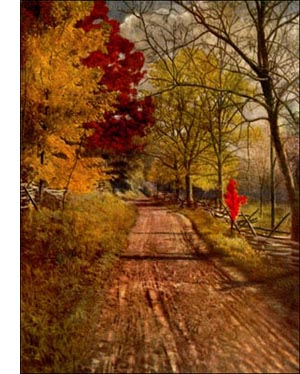 The Cork Oak (Quercus Suber), native to the peninsulas of southern Europe, and to northern Africa, is a small evergreen oak, rarely over 30 feet high and 2 feet in diameter, which grows in forests on broken, unproductive land. The importance of these forests has never waned, because nobody has discovered or invented a satisfactory substitute for cork. In France and all other vine-growing countries the importation of cork is a great business. What wonder then that the people in the grape and wine belt of California rejoiced to find that the cork oak can be successfully grown on the otherwise unproductive foothills of the Sierra Nevada Mountains. It is a vast saving to raise their own bottle stoppers instead of importing them from the other side of the globe.
What a novel experience it would be to visit at harvest time one of those forests in Spain or Algeria which have for centuries furnished cork to the world! We should not say the business ,vas carried on in a very economical or economic way, as we Americans count those things. There is not the rush and bustle of the Western World in those sleepy countries. Haste makes waste in growing cork and stripping it. The slowest-growing trees produce the best grade of cork, and they are not at their best till fifty years old. For the next fifty years they yield a thick coat of cork every ten years. Then the quality deteriorates, and the trees are cut down, the bark sent to the tan pit, and the charcoal burner takes the wood.
When the age of twenty-five years is reached it is time to strip off from the trunk the "virgin bark," a thin, hard, outer layer, which is rich in tannin, but bears no resemblance to cork. The removal of this layer sets the tree to forming a spongy layer, thick and entirely different from the first. This grows eight or ten years, when it is removed, and a second layer produced. The first is practically useless. The second stripping gives cork used by fishermen to float their nets with. The stripping goes on, each decade showing improvement in the quality of the cork until the fiftieth year brings it to its best state.
The stripping of cork is a particular job. Two opposite vertical cuts are made the full length of the trunk; then circular cuts at top and bottom are made, and the two rectangular plates of bark, each covering one-half of the whole trunk, are attached to it only by the alburnum, or "mother bark." It is a delicate matter to get the cork off and yet leave this under layer uninjured. Cork never grows again on spots that are bruised. Very carefully the wedge-shaped handle of the hatchet creeps along the edge of the plate and lifts it gradually off. The skill and patience required to do this must challenge our admiration. The harvest time comes in July or August. The curved plates of cork are scraped smooth, heated and flattened for transportation.
The flowering period of cork oaks is practically continuous in the warmer sections of Portugal. The acorns are annual from the early flowers, but the later ones are carried over, ripening in the second season. There are no less than three distinct crops of acorns, as the farmer folk well know. The fattening of hogs depends largely upon these acorns. There seems to be no distinct line drawn between annual and biennial cork oaks.
There is only one tree in the world whose bark ranks commercially with the cork oak, and it takes second place. It is the Cinchona, or Peruvian-bark tree, which is the source of quinine and related drugs.